Tax, VAT and the legal framework for vending machines in 2026
Income tax on vending machines, VAT, eKasa, hygiene and municipal permits. A complete overview of what you need sorted before installing your first machine. Without legal jargon, with references to the Slovak laws that apply.
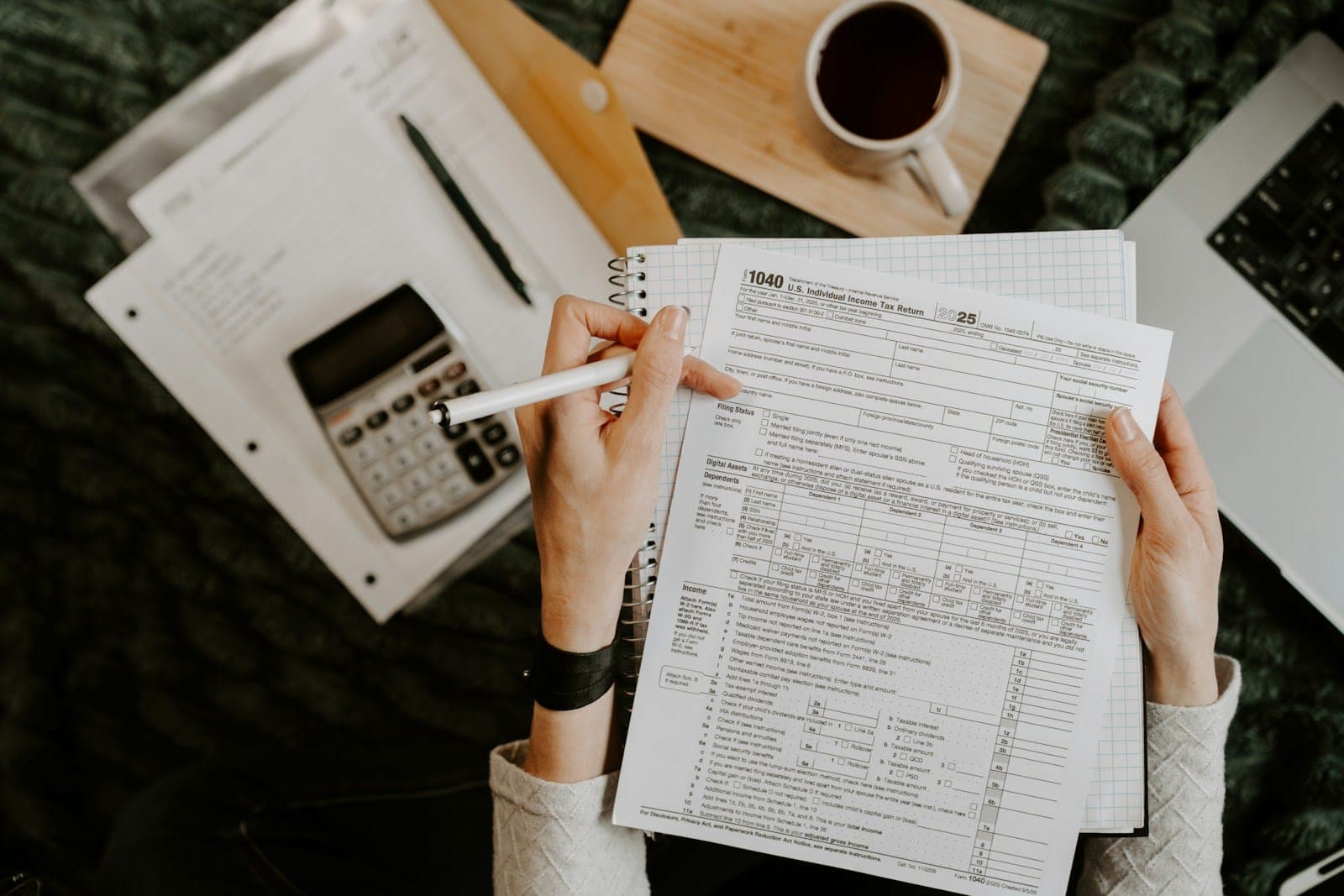
Setting up a vending machine isn't any easier than opening a small shop. Hygiene, taxes, eKasa, municipal fees, consent of the property owner. In this article we walk through everything you need to have sorted in 2026, including the specific Slovak laws that apply.
Which permits you need for a vending machine
For vending in Slovakia, separate three layers of permits: trade licence, hygiene and placement.
Trade licence (živnosť)
For operating vending machines, a free trade licence (voľná živnosť) is enough. Specifically, “Sale for direct consumption of non-alcoholic and industrially produced milk drinks, cocktails, wine, spirits and beer” or, more broadly, “Retail sales”. If you sell food, you add “Sale for direct consumption of meals and semi-finished products”. The free trade licence is registered at the district authority, trade licensing department; one-off fee €5.
Hygiene
If the machine sells packaged food (snacks, chocolates, wafers), you register the operation with the relevant Regional Public Health Authority (RÚVZ). For dishes that are prepared or handled (sandwiches, salads), it counts as a catering establishment and the rules are stricter. This is governed by Act No. 355/2007 Coll. on the protection of public health and Decree No. 533/2007 Coll. on the requirements for catering establishments.
Machine placement
If the machine sits on someone else's private land or in someone else's building (mall, office building, hotel, fitness centre), you need written consent from the owner. This is normally handled with a lease or placement agreement.
If it's a public space (sidewalk, municipal land, owned by the municipality or self-governing region), you need municipal consent and most often a fee for special use of public space. Rates are set by the local ordinance (VZN) of each municipality. In Bratislava they range from €0.30 to €2 per m² per day, often lower in smaller towns. Applications go to the property or transport department, depending on whether it's a sidewalk or other land.
VAT and eKasa
This is the area where most operators slip up. From the law's perspective the vending machine is a point of sale and revenue from it follows the same rules as a till in a shop.
VAT registration
If you exceed turnover of €49,790 in the last 12 months, you must register as a VAT payer (Act No. 222/2004 Coll. on VAT). With vending this happens faster than people think: a single lucrative machine in a transport hub or a hospital can do €5,000 to €10,000 a month.
For a registered VAT payer the rates are:
- 23% — sweets, chocolates, sugary drinks, alcohol (not worth selling in a machine, age verification is hard), coffee machines with frothed milk in restaurants.
- 5% — selected basic foodstuffs (bread, milk, certain types of meat).
- 23% — service of serving food and drinks in catering establishments. This usually doesn't apply to classic vending because the machine is unattended.
With a mixed assortment you must know which rate applies to which item. Vending company accountants handle this through segmentation in the sales records of the online dashboard.
eKasa: when it is required
Act No. 289/2008 Coll. on the use of the electronic cash register (eKasa) requires that cash revenue from goods and services goes through eKasa. For a vending machine there is an exemption: Act No. 289/2008 Coll., § 1(2)(j) states that the law does not apply to revenue received via a self-service coin- or token-operated machine. So if the machine works only with coins and cashless payments (a terminal), you don't need eKasa on the machine itself.
Note: if the machine also accepts banknotes, the exemption covers them too, as long as it's a sale through the machine. Cashless payments (card, watch, phone) are recorded via the bank statement, not through eKasa. Machine revenue is entered into bookkeeping based on a daily or weekly close from the machine's online system.
Income tax
For a sole trader (SZČO) you tax net profit from operating machines at 15% up to a turnover threshold of €60,000 (if you're a micro-taxpayer); otherwise 19% up to a tax base of €47,537.98 and 25% above that. For an s.r.o. the rate is 21% up to a base of €60,000 (15% for micro-taxpayers) and 24% for larger companies. Figures current for 2026 under Act No. 595/2003 Coll. on income tax.
You can claim the value of the machine as a tax expense through depreciation. Vending machines fall into depreciation group 2 (straight-line depreciation over six years), which is fine for cash flow, but you can't accelerate the return in the first two years.
Food hygiene in the machine
This is where many new operators get into trouble by underestimating temperature control. The main points:
- Chilled assortment (sandwiches, salads, milk in the coffee machine) must be at 0 to +5 °C. Bull Smart Cooler holds +2 °C with AI control.
- Frozen assortment (pizza, ready meals) must be at −18 °C or lower. Bull Frost Food 5 holds −18 °C even outdoors during summer.
- Dry assortment (snacks, wafers, chocolates) is stored at room temperature, the only thing that matters is protection from light and moisture.
- Use-by dates: for each unit you must know when it was loaded and when it expires. The online dashboard should know this. Selling after expiry brings a high penalty and, in case of harm, criminal liability.
- Cleaning and maintenance: for coffee machines and chilled units a cleaning schedule is mandatory. RÚVZ inspectors ask for it.
Cashless payments and GDPR
Contactless payments through Nayax, GP Tom or another terminal are standard today. Two things touch you: the payment intermediary licence (handled for you by the terminal provider, you just use it) and GDPR.
With card payments the machine never sees the full card — the terminal sends only a token to the bank. From a GDPR perspective you, as machine operator, are mostly a processor of minimal data (location, time, card type). However, if you collect email sign-ups via an app (loyalty programme, recipes), GDPR applies to you as a controller and you need processing consents.
Municipal fees and public space
If the machine is in a public space, ask the specific officer at the property department of the city or village where it stands. Some municipalities require building permission, others only a notification. Sidewalks fall under the transport department, other land under property.
The usual procedure in Bratislava: apply for placement consent, agree the special-use fee, sign the contract. In smaller towns it can be a single signature; in Bratislava it can take 4 to 8 weeks.
Most common mistakes running vending machines
- Skipping eKasa because they assume vending is exempt from everything. The exemption only covers the machine itself. Other sales activities (servicing, refilling for a third-party operator) require eKasa.
- Underestimating VAT and crossing €49,790 in turnover without registering. Back-payments and penalties are painful.
- Not agreeing with the property owner who handles power, internet and insurance. A written contract makes life easier.
- Putting frozen items into a regular chilled machine. The temperature problem doesn't show up immediately, but a few weeks later the goods spoil and a fine is on the way.
- Forgetting the cleaning schedule on coffee machines. A milk system without daily cleaning loses coffee flavour and risks contamination.
Checklist before your first vending machine install
- Free trade licence registered, certificate in hand
- VAT situation thought through (registration yes or no based on expected turnover)
- Accountant or tax advisor who understands eKasa
- Owner's consent or contract with the municipality
- Hygiene notification to RÚVZ if you sell food
- Machine insurance (vandalism and theft, plus weather for outdoors)
- Online dashboard set up and tested
- Refill and cleaning schedule prepared
- Local contacts for service and refilling
Frequently asked questions
Do I need eKasa for a vending machine?+
Which VAT rate applies to vending products?+
Who notifies the hygiene authority about the machine?+
How much do I pay the city for a machine on a sidewalk?+
How fast can I write the machine off for tax?+
Next step
Get help with configuring your machine.
Pick your Bull